
- 0332-5284828, 051-4427778
- info@universalfireprotection.com.pk
Clean Agent Fire Suppression Systems in Pakistan
30Nov, 2017
0Comments

Clean Agent Fire Suppression Systems in Pakistan
Categories / AKRONEX Italy Tags: Clean Agent Fire Suppressions Systems, Clean Agent Fire Suppressions Systems in pakistan By Admin User
Clean Agent Fire Suppression Systems
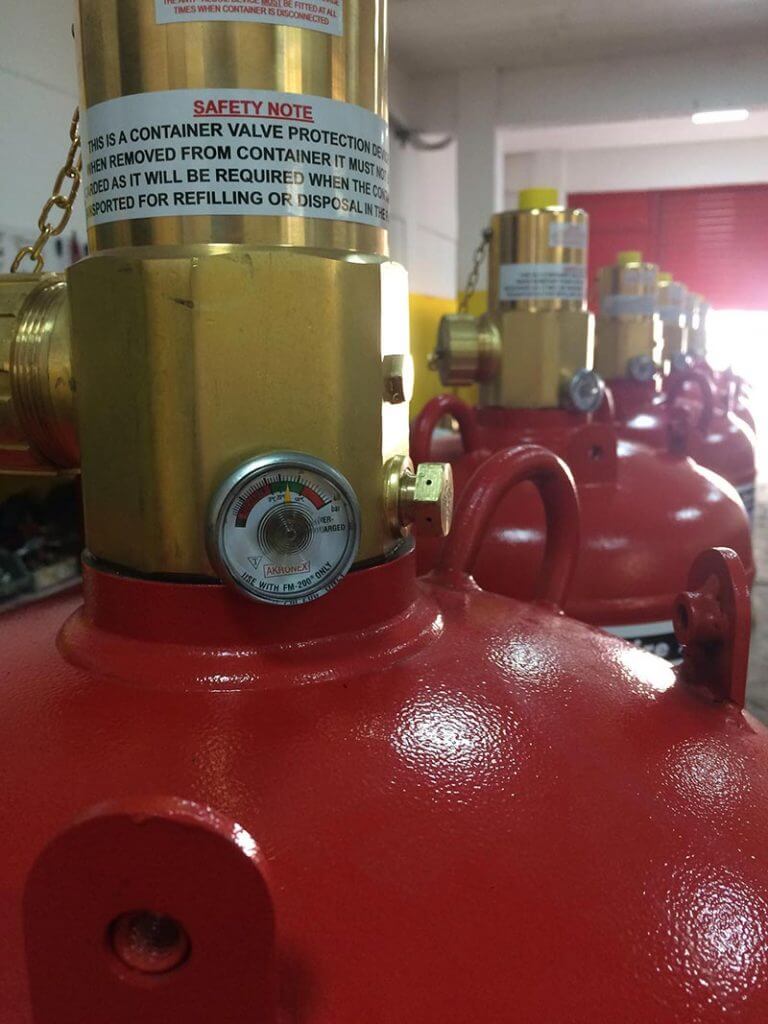
The Clean Agent Fire Suppression Systems. Automatic gas fire extinguishing systems don’t harm people’s health, don’t influence the environment, have no post-fire residue or clean-up, and are electrically non-conductive. Due to their clean and safe nature, they are widely used in areas with valuable equipment. Over time, however, environmental concerns led to regulatory changes. Specifically, according to the Montreal Treaty (1994), Halon 1301 — which was sold in our country for many years — was replaced by alternative clean gas extinguishing systems. As a result of this shift, the filling and refilling of cylinders with gas HFC-227ea (known as FM200), which is widespread in Turkey, has remained in deficit for many years. This shortage continues to impact the availability and maintenance of such systems across the region.

HFC-227ea (FM200) IS AN ALTERNATIVE TO THE MOST WIDELY USED HALON
Discharge: 10 seconds
No post-fire residue or clean up
Is electrically non-conductive
No damage to protected equipment
ODP=0 (ozone depletion potential is zero)
Standards: ISO 14520, UNE 23571, and NFPA 2001
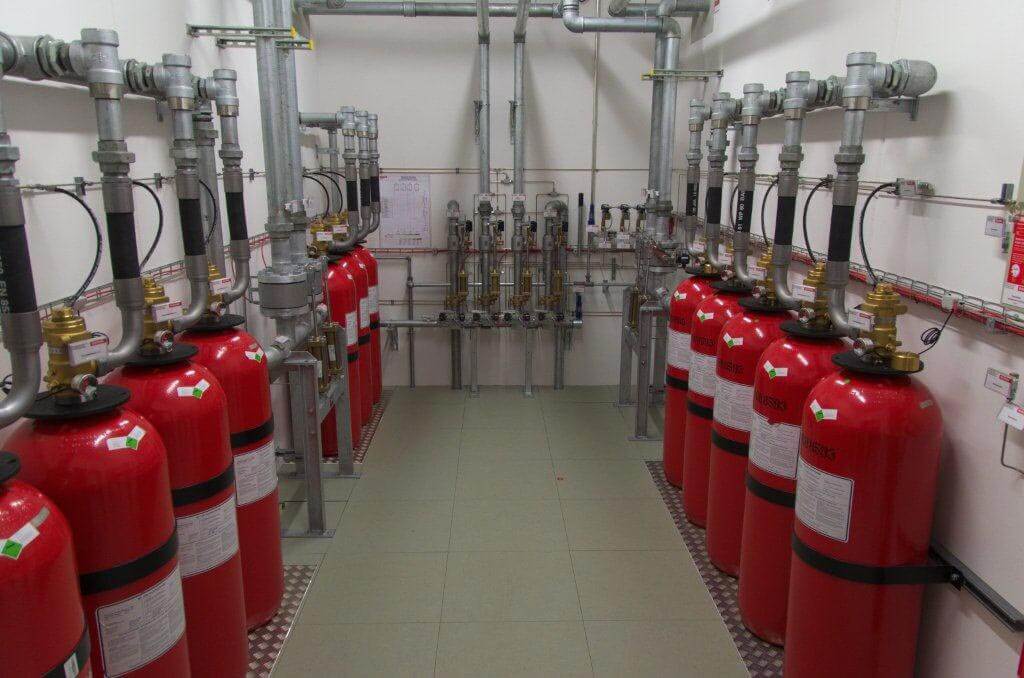
HOW DOES the AUTOMATIC CLEAN GAS FIRE EXTINGUISHING SYSTEM?
Detectors, mounted in the protected zones (room, suspended ceiling, and raised floor), detect fire and send a warning alarm to the control panel. As soon as the control panel receives a signal from zone 1, it gives a sound pre-alarm warning. If the situation escalates and a signal is received from zone 2, it triggers an audible and visual pre-alarm warning. Building upon this, when the control panel detects a fire-by-fire scenario, you can take certain actions or stop the process as needed. At this critical point, the ventilation equipment system will be turned off, the fire alarm will be triggered, the UPS will be shut down, and the extinguishing agent will be discharged into the protected zone.
In order to support this automated response, fire extinguishing gas is stored in special cylinders for storage. Afterward, the gas passes through pipelines and discharges into the protected zone through nozzles. Ultimately, the concentration of discharged gas will be enough to extinguish a fire within 10 seconds.
PHYSICAL PROPERTIES OF HFC 227-ea
| Chemical name | Heptafluoropropan |
| Chemical formula | CF3 CHFCF3 |
| Name by standards (ISO 14520 and NFPA 2001) | HFC-227ea |
| Molecular weight | 170 |
| Boiling range @ 1.013 bar | -16.40C |
| Liquid density @ 200 °C | 1407 kg/m3 |
| Critical temperature | 101.7 0C |
| Critical pressure | 29.12 bar |
| Steam pressure @ 200 °C | 3.91 bar |
| Relative electrical resistance @ 1atm.25оC (N2=1.0) | 2.0 |
| Maximum filling density | 1.15 kg/lt |
| Design concentration (for Heptanes) | 8.6 % |
[su_note note_color=”#66ff77″]
Applications
- Data centers
- Telecommunication centers
- Telecom buildings
- Industrial areas
- Oil and gas industry
- Solvents’ store
- Paint booths
- Warehouses of flammable and explosive substances
- Archives
- Museums
- Medical systems’ room
- Electricity distribution chambers
[/su_note]
Get a Quote at a Reasonable Price Here.